Dear Friend,
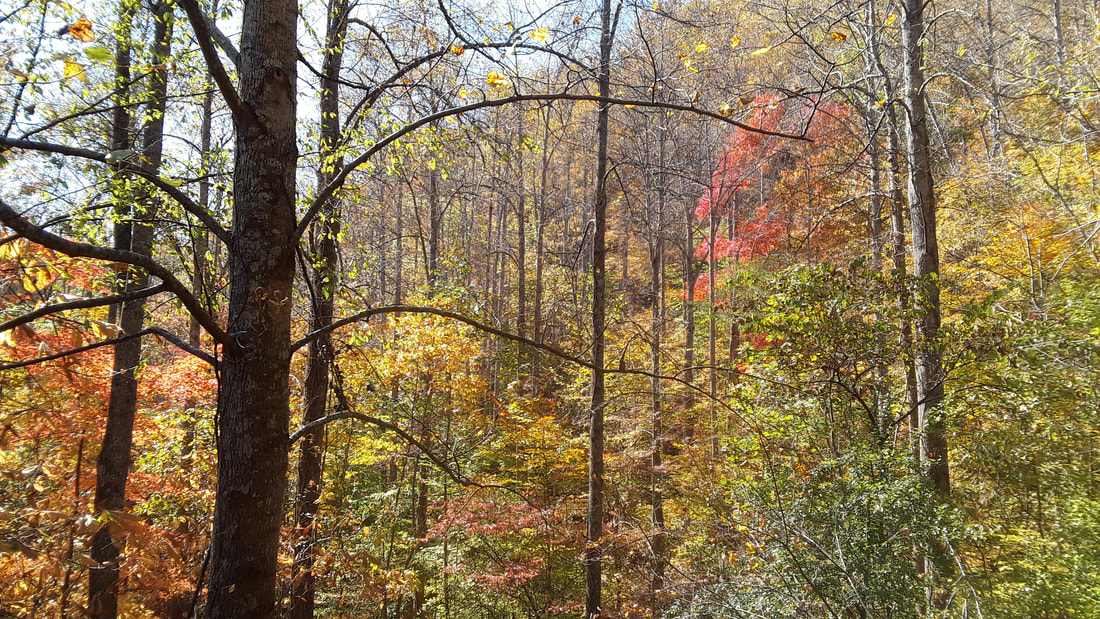
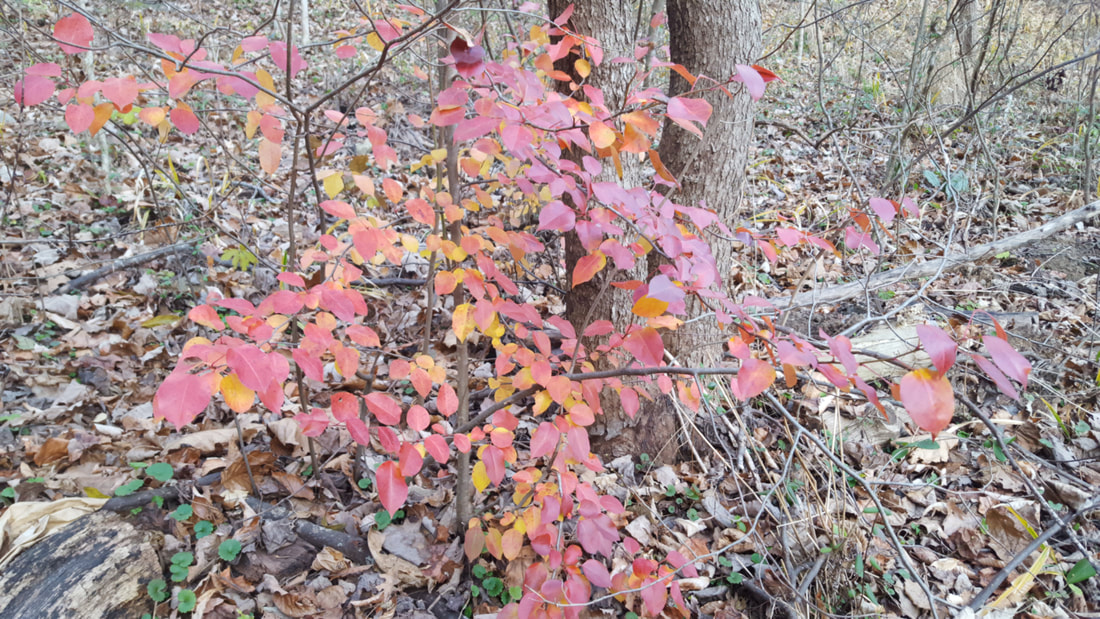
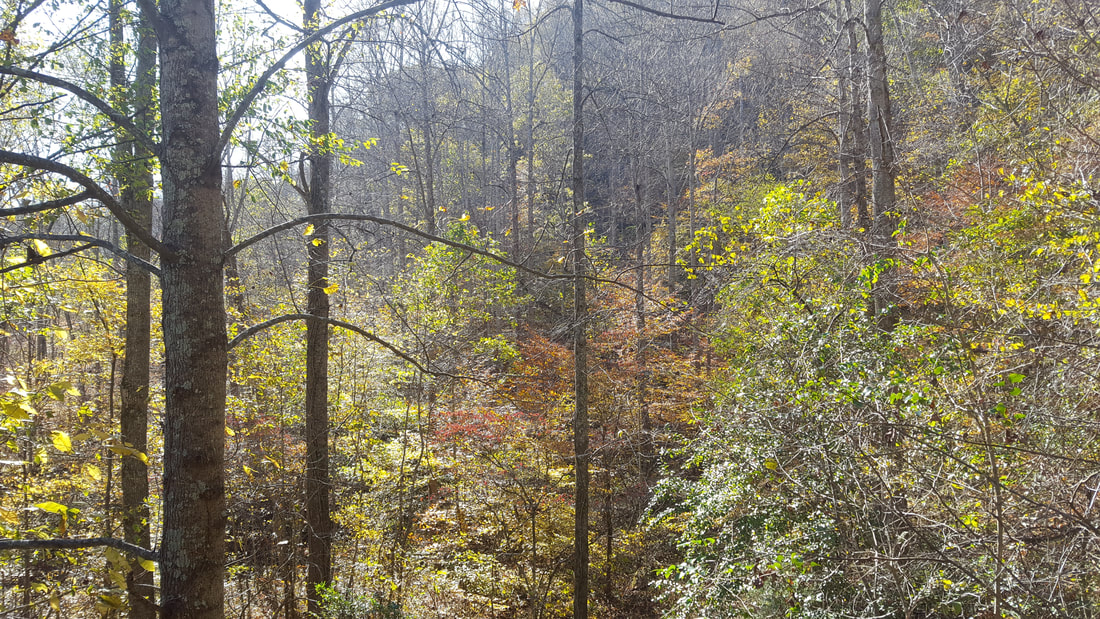
The fall landscape and weather remain colorful and somewhat mild into November, and we are again sharing our gratitude for the incredible community of Appalachia-Science in the Public Interest (ASPI) supporters, partners, and participants! After 46 years, ASPI continues serving the local community and Appalachian region. This year, we again operated without paid leadership but with valuable help from volunteers and contract labor, and we also provided housing, networking opportunities, educational programming, and partnership collaborations and contributions.
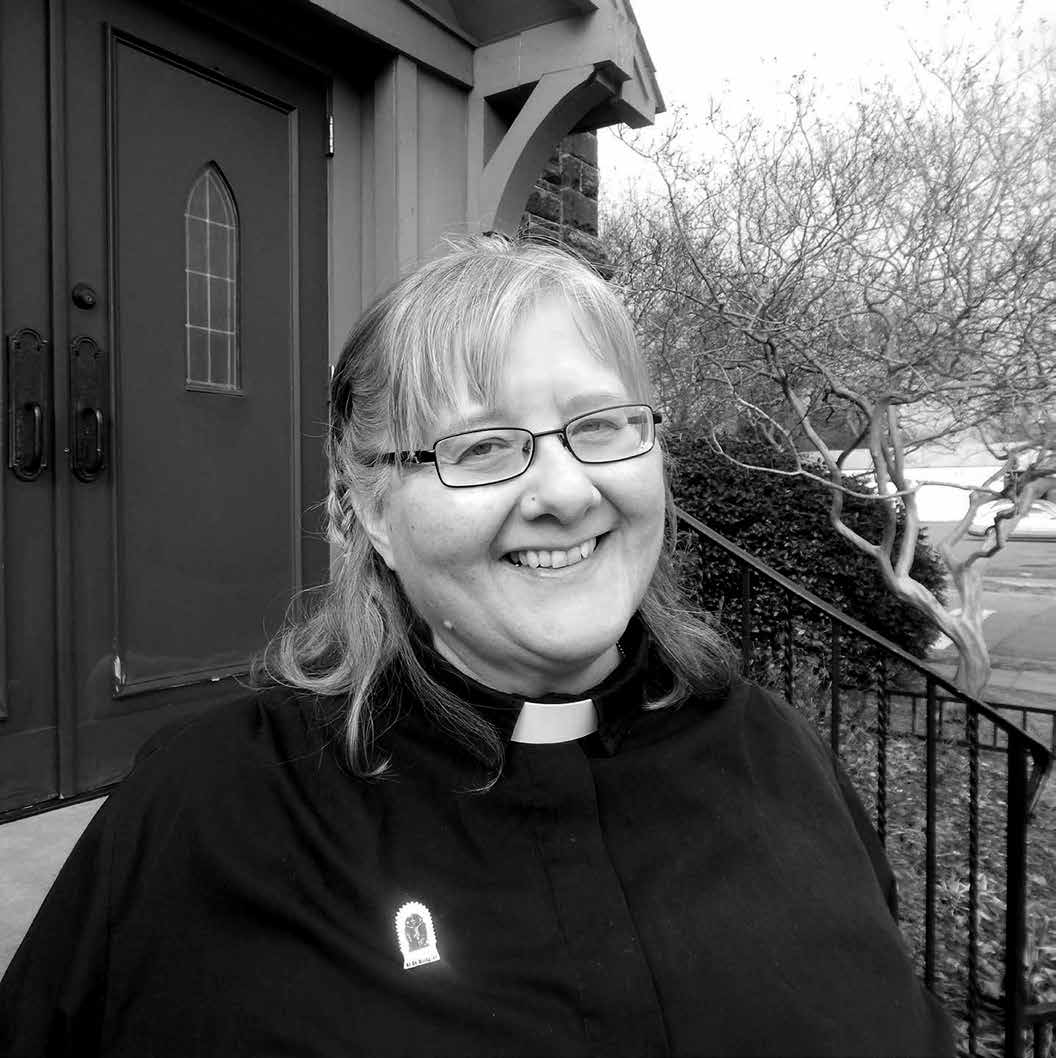
The ASPI board continues maintaining daily operations and communications with some part-time staff support and volunteers. Board President Timi Reedy and Secretary Tammy Clemons work both remotely and at the main office. We maintain contact with board member and former residential volunteer Father Jack Kieffer and welcome new board member Judy Sizemore who has been involved with ASPI for a couple of years through Mountain Association (MA) consultancy and the SPARK Program for Small nonprofit Peers Accelerating Rural (Eastern) Kentucky. ASPI continues implementing the strategic plan we developed with Judy as well as our accessibility statement and objectives (https://bit.ly/ASPI-Accessibility).
Physical improvements to the main ASPI Office in Mt. Vernon include new lighting, a more accessible toilet, and additional plumbing repairs. We passed plumbing and preliminary health inspections toward completing the final requirements for a publicly accessible certified kitchen. With a small grounds/garden crew this year, the ASPI orchard, beds, and greenhouse produced medicinal herbs, tomatoes, peppers, okra, berries, apples, and pears.
The fall landscape and weather remain colorful and somewhat mild into November, and we are again sharing our gratitude for the incredible community of Appalachia-Science in the Public Interest (ASPI) supporters, partners, and participants! After 46 years, ASPI continues serving the local community and Appalachian region. This year, we again operated without paid leadership but with valuable help from volunteers and contract labor, and we also provided housing, networking opportunities, educational programming, and partnership collaborations and contributions.
The ASPI board continues maintaining daily operations and communications with some part-time staff support and volunteers. Board President Timi Reedy and Secretary Tammy Clemons work both remotely and at the main office. We maintain contact with board member and former residential volunteer Father Jack Kieffer and welcome new board member Judy Sizemore who has been involved with ASPI for a couple of years through Mountain Association (MA) consultancy and the SPARK Program for Small nonprofit Peers Accelerating Rural (Eastern) Kentucky. ASPI continues implementing the strategic plan we developed with Judy as well as our accessibility statement and objectives (https://bit.ly/ASPI-Accessibility).
Physical improvements to the main ASPI Office in Mt. Vernon include new lighting, a more accessible toilet, and additional plumbing repairs. We passed plumbing and preliminary health inspections toward completing the final requirements for a publicly accessible certified kitchen. With a small grounds/garden crew this year, the ASPI orchard, beds, and greenhouse produced medicinal herbs, tomatoes, peppers, okra, berries, apples, and pears.
|
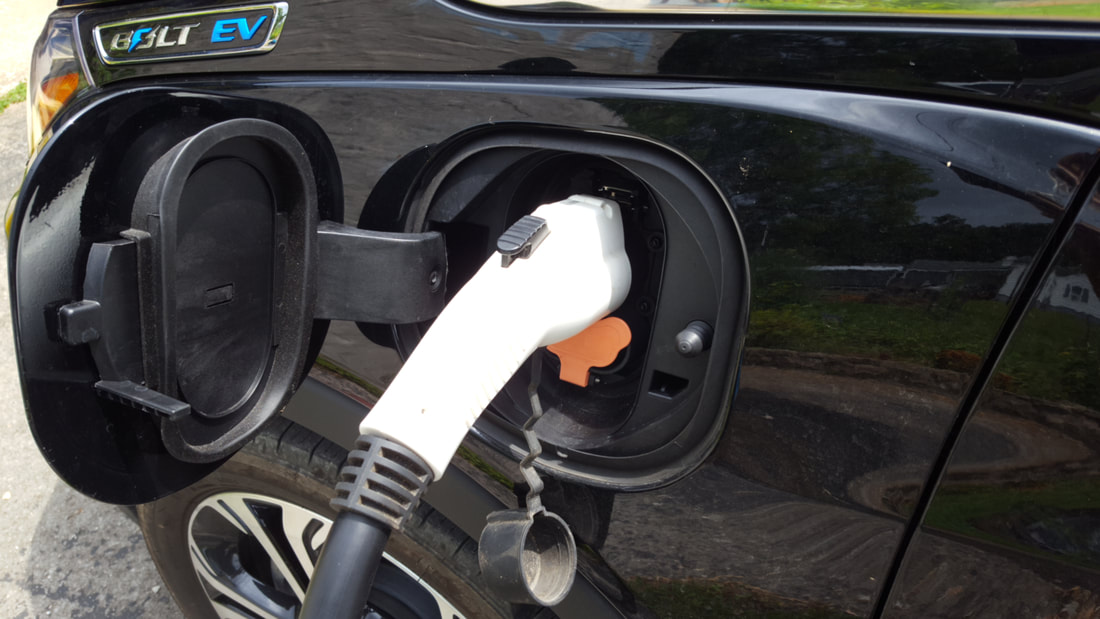
ASPI’s solar array and Level 2 electric vehicle (EV) charging station fuel our demonstration EV, which generates conversation with a diverse range of people locally and regionally and provides valuable data about efficiently using and effectively educating about alternative energy. The complete MA Energy Team has made a couple of site visits to both the Mount Vernon office and River property to learn more about ASPI’s EV and overall net-metering and charging systems. “Boost” charging elevates the EV charging rate about 25 percent more than a standard Level 2 EV charger during daylight hours. Having the solar system net metered with the electric utility allows any excess generation to be credited off future electric bills. Before the EV charger, this savings was considered at the value of a kWh (roughly $0.12 per kWh), but now we can also calculate this credit as EV miles banked (i.e., future charging available that is credited or banked with our electric utility). ASPI has banked about 50,000 EV miles to date!
|
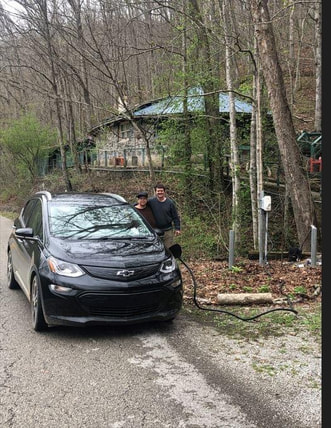
Mountain Association mentions ASPI's solar, EV, and charger in its recent post on "Pros and Cons of the Electric Vehicle Movement in Appalachia"
|
Major ongoing clean-up and repairs to the Cordwood building, Nature Center, and garden beds continue at the ASPI Rockcastle River Wilderness Demonstration Site. We unfortunately had to demolish the Cordwood trailer because it was unsalvageable, but the site (AKA “Father Jack’s”) now features a clover lot and gravel parking area large enough for school buses to turn around and park. Improvements include replacing the Cordwood attic insulation and plumbing and working on water catchment and drainage around the building and the Nature Center.
From 2019-2022, ASPI served as fiscal sponsor for Arts Connect Eastern Kentucky, which now continues its important work under the non-profit umbrella of Recovering Joy Arts and Nature Center in Pulaski County. This year, ASPI received another grant from the Epiphany Catholic Church 10 Percent Commitment Fund, became a voting organizational member of the Waymakers Collective: Appalachian Arts and Culture Assembly, and received a 2023 Waymakers Radical Rest Grant. We also nominated and directed a portion of this grant to Owsley County Alliance for Recreation & Entertainment, a community-based, board-run non-profit organization and fellow SPARK member. ASPI tabled at the annual Appalachian Studies Association conference, which was held at Ohio University in Athens, Ohio in March, as well as the Kentucky Green Living Fair in Somerset in April.
From 2019-2022, ASPI served as fiscal sponsor for Arts Connect Eastern Kentucky, which now continues its important work under the non-profit umbrella of Recovering Joy Arts and Nature Center in Pulaski County. This year, ASPI received another grant from the Epiphany Catholic Church 10 Percent Commitment Fund, became a voting organizational member of the Waymakers Collective: Appalachian Arts and Culture Assembly, and received a 2023 Waymakers Radical Rest Grant. We also nominated and directed a portion of this grant to Owsley County Alliance for Recreation & Entertainment, a community-based, board-run non-profit organization and fellow SPARK member. ASPI tabled at the annual Appalachian Studies Association conference, which was held at Ohio University in Athens, Ohio in March, as well as the Kentucky Green Living Fair in Somerset in April.
|
In May, local mycologists Ron Owens and Jonny Wells shared their knowledge at a mushroom demonstration at the Rockcastle Farmer’s Market and a free public mushroom log inoculation workshop. About 50 people stopped by the demo and more than 40 people of all ages participated in the hands-on workshop for cultivating shiitake and winecap mushrooms. Workshop participants walked away with a free mushroom log and handouts.
ASPI also helped coordinate a Farmers’ Market meeting with Mountain Association Energy Associate Cameron Mott along with Senior Energy Analyst and former ASPI staff/board member Josh Bills to discuss solar and incentive opportunities for farms, and at least one family has already signed up. |
|
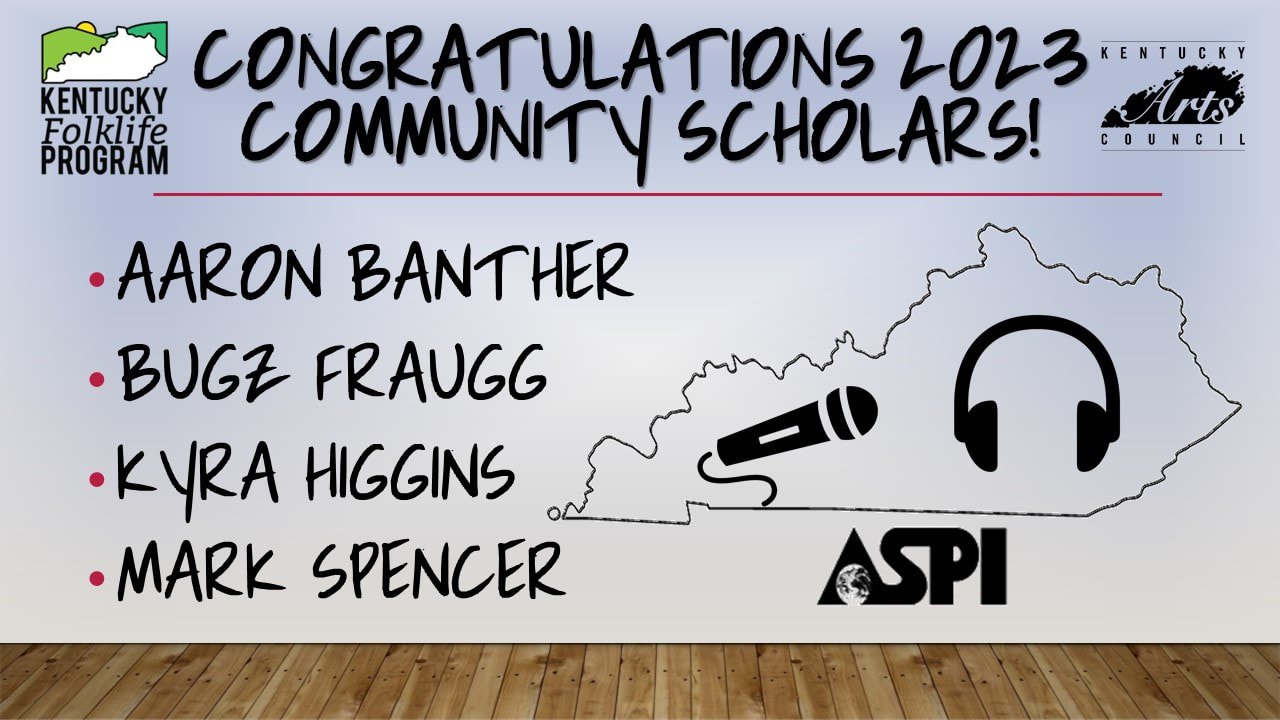
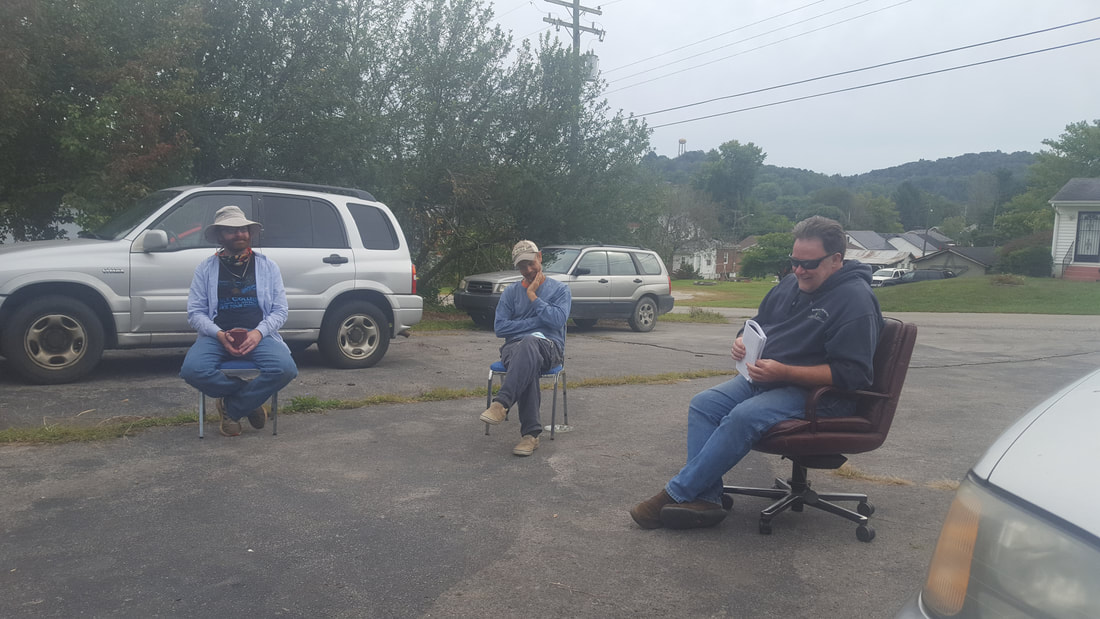
ASPI collaborated again with the University of Kentucky Louie B. Nunn Center for Oral History to help coordinate three free regional gatherings for oral historians from Kentucky and Central Appalachia with support from the national Oral History Association. The Lexington Public Library hosted the first oral history meet-up in June, and the Southeast Kentucky African-American Museum and Cultural Center hosted the second meet-up in August in Hazard. In November, the Kentucky Folklife Program and Western Kentucky University Department of Folk Studies & Anthropology are hosting a third meet-up in Bowling Green. Timi Reedy and Mark Spencer completed a series of “life history” interviews with ASPI founder Father Al Fritsch before he retired this year, and they began conducting a new series of interviews with Appalachian author, activist, and icon George Brosi. This summer, ASPI served as the organizational site of a pilot hybrid (in-person and virtual) version of the Kentucky Community Scholars Program in partnership with the Kentucky Arts Council and the Kentucky Folklife Program. Four new graduates completed folklife and fieldwork training, presented their projects, and joined more than 250 certified Kentucky Community Scholars!
In October, we hosted eleven University of Notre Dame service-learning students from all over the country and world for a week-long alternative fall break immersion experience through the Center for Social Concerns. One of the two student leaders returned from last year.
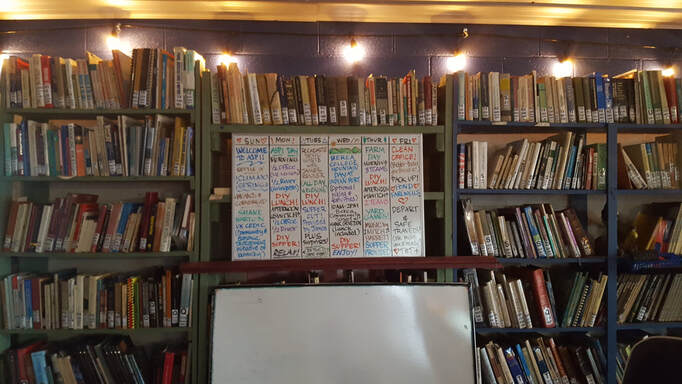
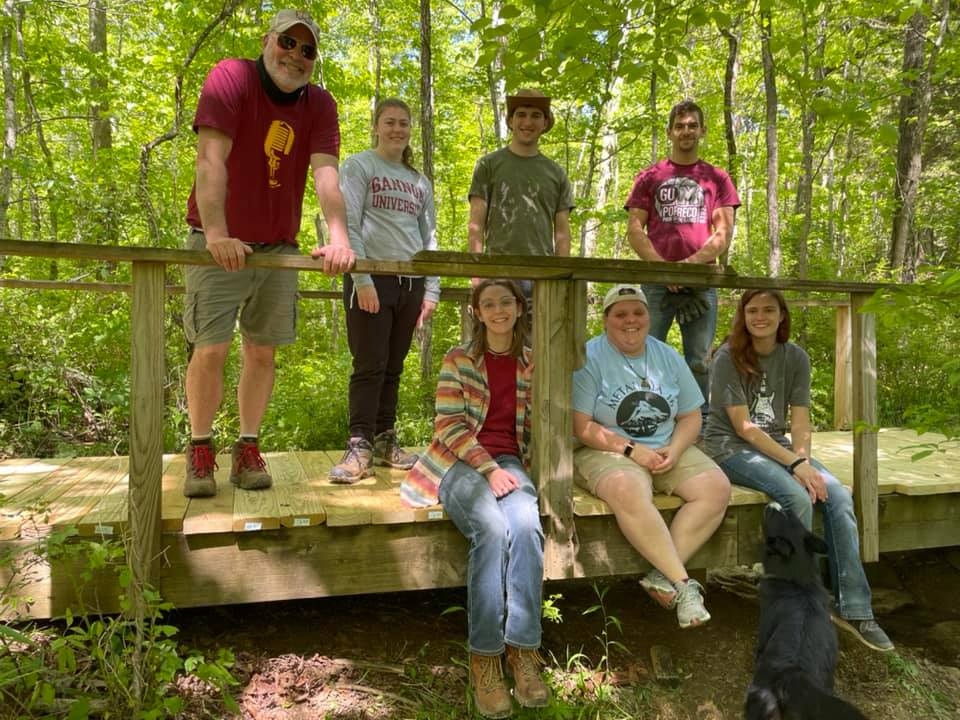
The service-learning students hung out with former ASPI Board President Shane Barton from the University of Kentucky Community Economic Development Initiative of Kentucky who shared an in-depth presentation on the Appalachian region. They moved 14 cubic yards of compost into raised beds at the ASPI Office and cleaned out the Cordwood attic and the bottom of the Nature Center at the Rockcastle River property. They also learned about solar energy from Josh Bills. The students also picked up 141 bags of garbage and 15 tires at Lake Linville with Rockcastle Solid Waste Coordinator James Renner, and they worked with Berea Community School engineering students and teacher Hank Gevedon on several creative projects. They also got water from Climax spring, shopped at the local IGA, and hiked the Pinnacles and Anglin Falls. They closed the week with projects at five local Rockcastle County farms, live music by Mitch Barrett, and Yard Party Games. We are always grateful and inspired by their attentive curiosity, positive attitudes, energy, and work ethic!

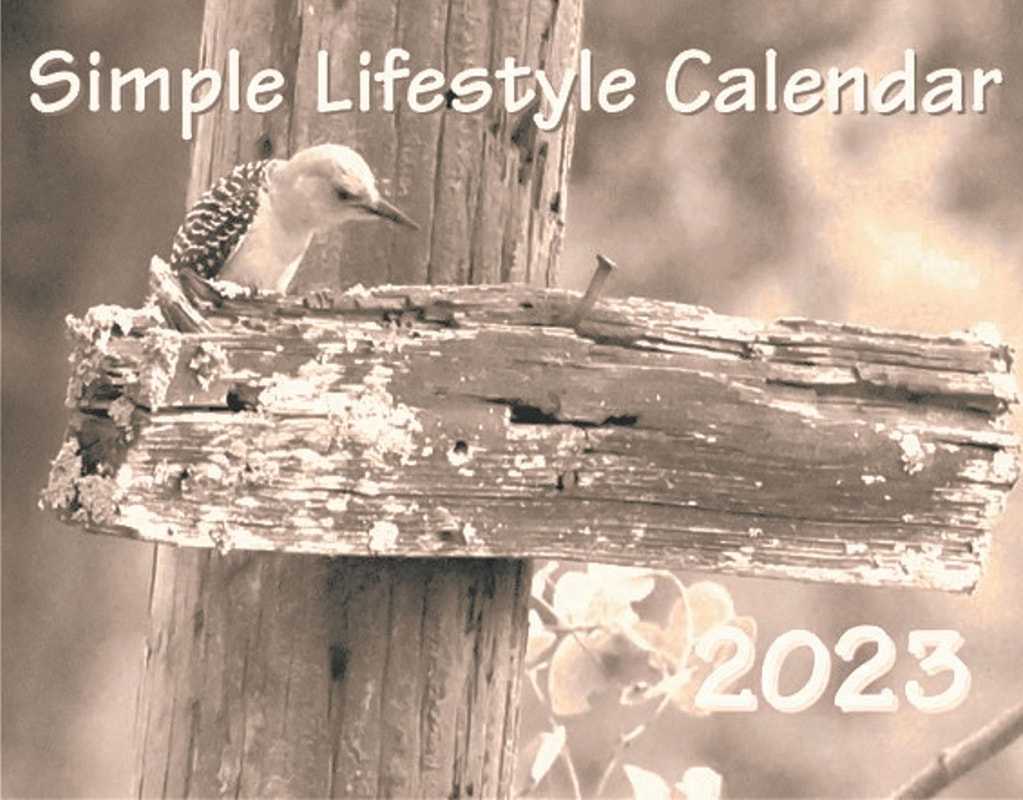
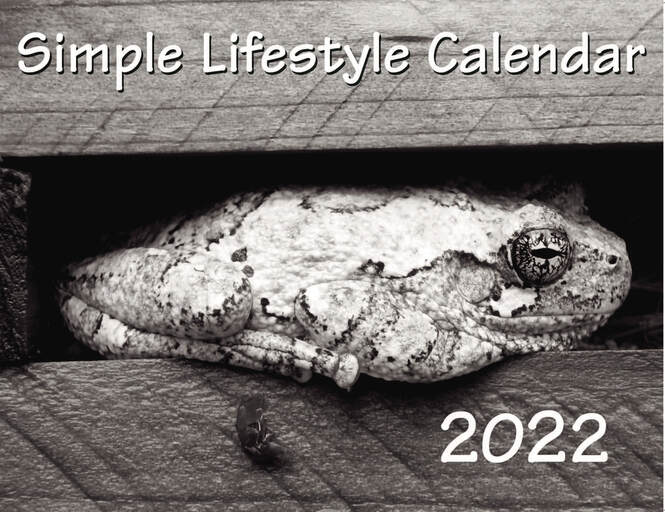
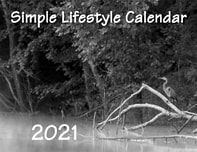
The 2024 Simple Lifestyle Calendar is now posted on our website and available through PayPal or mail order by sending the downloadable order form. Mark Spencer designed another great collection of daily sayings and monthly photos from Melanie Abbott, Warren Brunner, Gretchen L. Collins, and this year’s cover photo by Janet Kalisz. Mark also shares his annual reflection and hopes for the New Year in the enclosed calendar brochure. We are grateful for Mark’s continued creativity and contributions on behalf of ASPI, and we likewise wish all our supporters and calendar-loving community a peaceful and rewarding 2024.
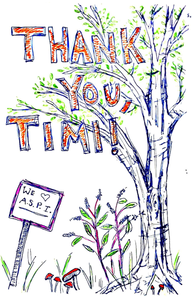
Thanks to all these people and organizations for making our work possible with special thanks to: Aaron Banther, Bugz Fraugg, Kyra Higgins, Mark Spencer, Judy Sizemore, Brent Bjorkman, Mark Brown, Camille Acosta, Delainey Bowers, Kopana Terry, Ann Ferrell, Wyatt Woodson, Jen Bartlett, Emily Hudson, Shannon Barrett, Nancy Seaberg, Gretchen Collins, Martin Mudd, Shannon Williams, River Jarvis, Jerry Bogie, Josh Bills, Ben Tatum, Father Al Fritsch, Father Jack Kieffer, Warren Brunner, Kitrina Kearfott, Emily Parrish, James Renner, Mahala King, Amy Weinfurtner, Ketaki Bhattacharyya, Donna Daniels, Chris Handberg, Ron Owens, Jonny Wells, Shane Barton, Mitch Barrett, Holly Robinson, Brenda and Donnie Parsons, Hank Gevedon, Ruff Family, Nicole Garneau, Melanie Abbott, and Brenda Richardson.
Thanks to all these people and organizations for making our work possible with special thanks to: Aaron Banther, Bugz Fraugg, Kyra Higgins, Mark Spencer, Judy Sizemore, Brent Bjorkman, Mark Brown, Camille Acosta, Delainey Bowers, Kopana Terry, Ann Ferrell, Wyatt Woodson, Jen Bartlett, Emily Hudson, Shannon Barrett, Nancy Seaberg, Gretchen Collins, Martin Mudd, Shannon Williams, River Jarvis, Jerry Bogie, Josh Bills, Ben Tatum, Father Al Fritsch, Father Jack Kieffer, Warren Brunner, Kitrina Kearfott, Emily Parrish, James Renner, Mahala King, Amy Weinfurtner, Ketaki Bhattacharyya, Donna Daniels, Chris Handberg, Ron Owens, Jonny Wells, Shane Barton, Mitch Barrett, Holly Robinson, Brenda and Donnie Parsons, Hank Gevedon, Ruff Family, Nicole Garneau, Melanie Abbott, and Brenda Richardson.

|
ASPI’s upcoming plans include improving and maintaining the Mt. Vernon and Livingston demonstration sites; implementing additional accessibility improvements; public access to a certified kitchen and EV charging stations; arts/culture programming; and ongoing community partnerships. We are forever grateful for the generous support and enthusiastic engagement of ASPI’s volunteers, community partners, project contractors, donors, and calendar fans.
|
Thanks for your contributions to ASPI’s mission and 46 years of ongoing work for healthy land and sustainable communities in Kentucky and Central Appalachia. We are hopeful for our collective futures in 2024!
Sincerely,
Timi Reedy (ASPI Board President) and Tammy Clemons (Board Secretary)
Sincerely,
Timi Reedy (ASPI Board President) and Tammy Clemons (Board Secretary)




 RSS Feed